
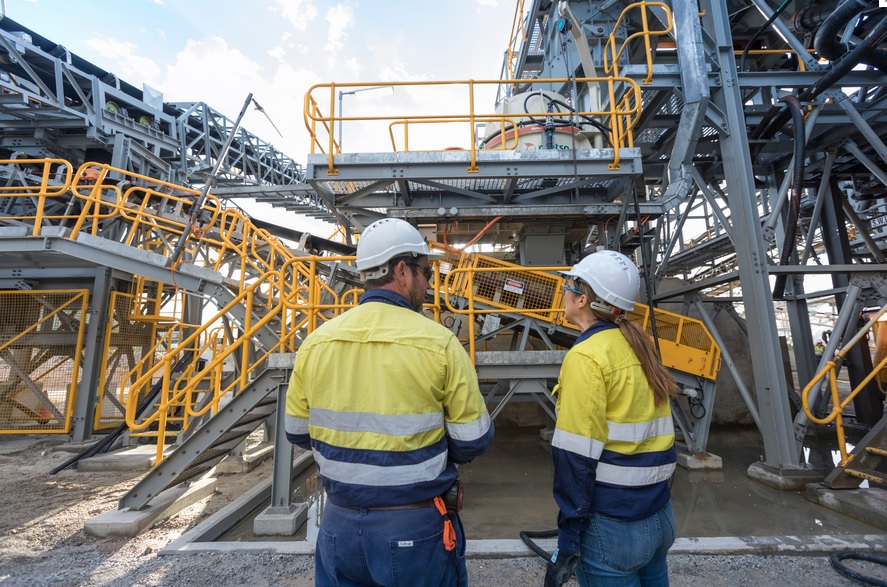
Wear-based inspection planning for slurry pumps
Predict helps you plan each pump inspection around actual wear, using the process and maintenance data your site already has, so you open fewer healthy pumps and catch the ones wearing fast.

Every pump wears differently, so why give them the same strategy?
-
The maintenance schedule is set once at commissioning and rarely revisited, usually only after a pump has failed.
-
One inspection interval can’t fit every pump, so sites run 30 to 40% more inspections than they need.
-
Parts with plenty of life left get replaced just in case, and the wear evidence is lost.
Who we are
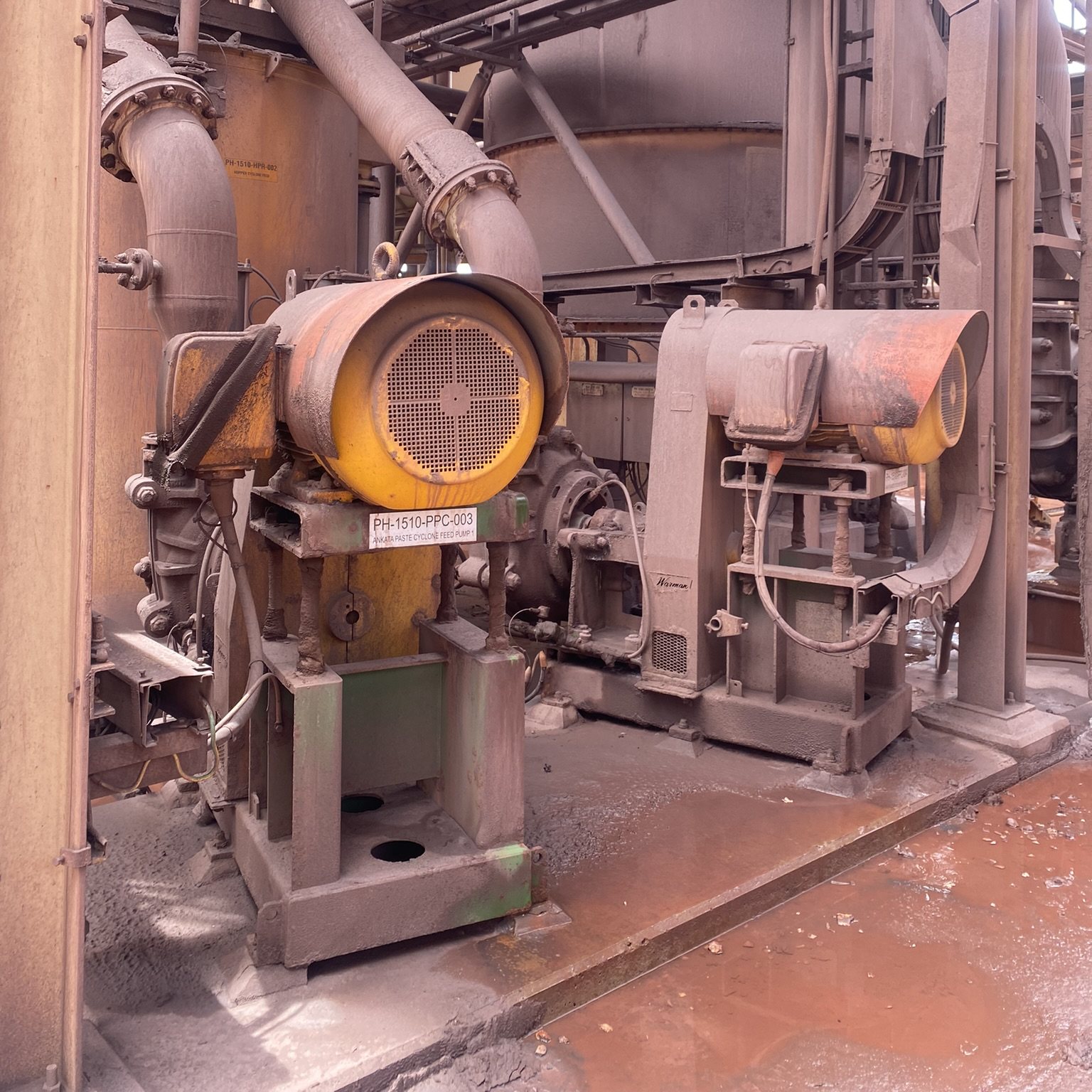
Predict is an Australian team of reliability engineers and data scientists. For over five years we have developed an approach for measuring the health of slurry pumps to improve maintenance decisions.
We built the Predict platform for that job. To collect, clean and analyse available data to enable data-driven maintenance decisions for slurry pumps.
We are engineers first, not just a software vendor. We work alongside your reliability team to put the changes into practice and support them through it, rather than just handing over a report.
How to enable continuous
inspection improvement
-
1
Collect available data
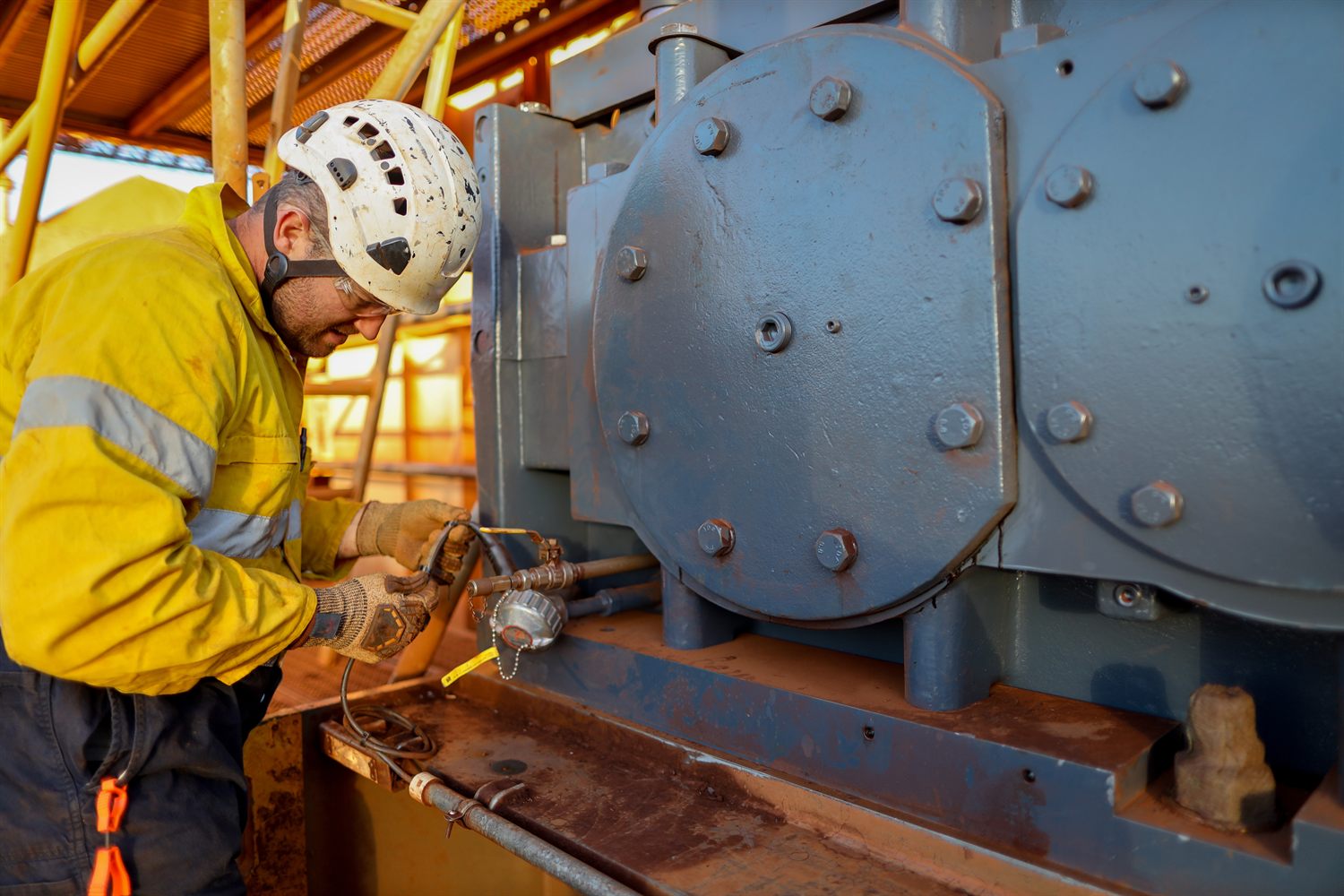
The Predict platform reads the process and maintenance data the site already records, plus the wear photos taken at the pump. There are no new sensors to fit.
- Process data: throughput and run-hours, read on a schedule
- Maintenance data: part replacements and work orders
- Inspection data: photos and 1–10 wear ratings, submitted through the Predict inspection app
Data in ConnectedProcess dataThroughput & run-hoursConnectedMaintenance dataReplacements & work orders12 newInspection photosCaptured at the pump via the app
 -
2
Analyse the pump’s health
The Predict platform analyses the health of each pump from three inputs: every wear part against its own limit, the AI assessment of the inspection photos, and the pump’s efficiency. Together these show how the pump is wearing and how well it is running.
- Each part against its own limit, in throughput (kt) or run-hours
- AI wear assessment and 1–10 rating from each inspection photo
- Calculated pump efficiency
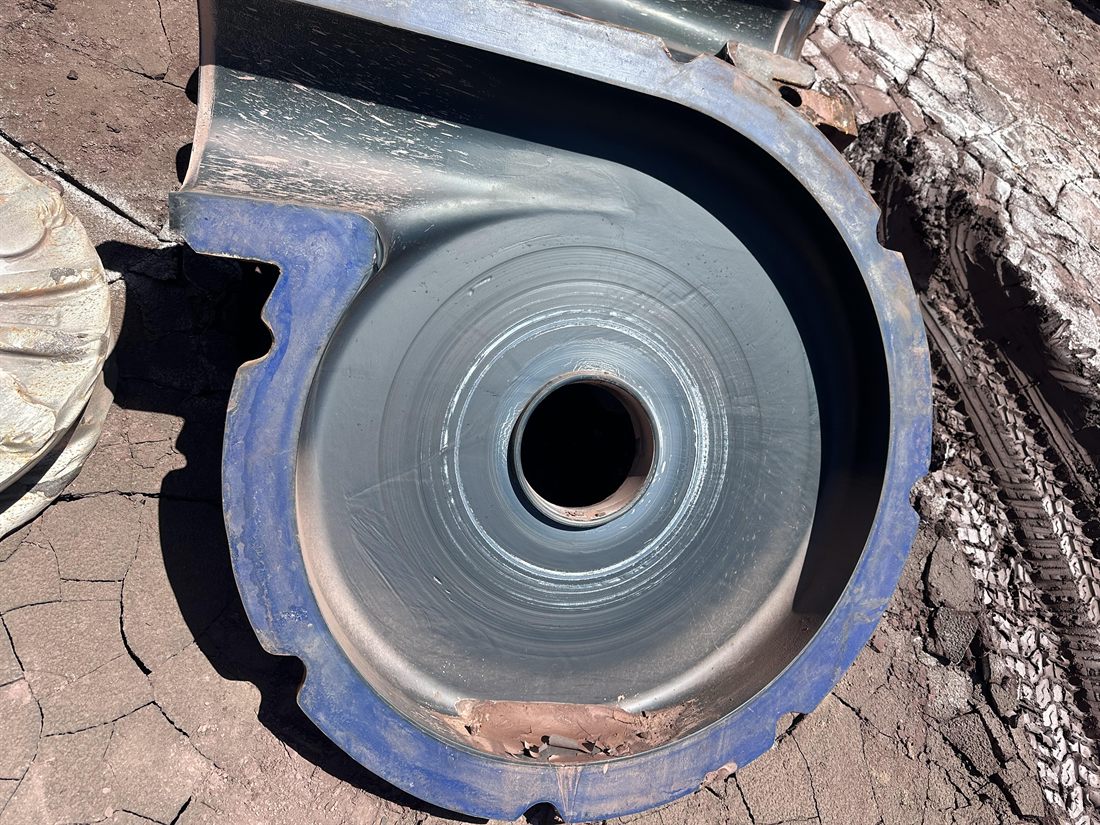 AI assessment 3/10 Light, even wear with plenty of service life left.Pump health
Efficiency 94%
AI assessment 3/10 Light, even wear with plenty of service life left.Pump health
Efficiency 94% -
3
Actionable recommendations
The Predict platform gives one clear recommendation for each pump, based on the part nearest its limit and the date it reaches it. Each recommendation comes with the part, limit and date behind it, so an engineer can act on it directly.
- Bring forward when a part will reach its limit before the next inspection
- Hold when the current schedule still fits
- Extend when no part will reach its limit before then
Recommendations
Bring forwardPPC245 · throat bush reaches 7,800 kt by 02/07.On schedulePPC118 · throat bush at 82% of limit. Schedule holds.ExtendPPC114 · nearest part at 44%. Defer to the August shutdown. -
4
Optimise planned inspections
We work with you to make the required change to upcoming inspections. It is actioned in your own maintenance system, with us alongside to see it through, not just hand over a report.
- Action each recommendation in your maintenance system as a work-order change
- Hands-on support to put the change in place
- Backed by the part, limit and date behind it, so the change is defensible
Schedule
Scheduled inspection Proposed new date Planned shutdownPPC245PPC118PPC114Jun Jul Aug Sep Oct NovPredict works alongside you to action each change.
-
Every inspection becomes a new data point, so the next cycle is timed on better evidence than the last.
Start the next cycle
Results from one site
across 30 pumps in one year
saved from the maintenance budget
of labour time saved
fewer pump failures
We extended the pumps the data said were healthy and pulled forward the two that weren’t. A year on, the budget is back and we have had no failures. It was a number I could take to my shutdown planner and defend.

Start with a small study of your pumps
- Send us an extract of your process and maintenance data.
- We send back a report with upcoming opportunities to optimise pump inspection dates.
- Your data is handled in confidence and stays yours.